
Table of Contents
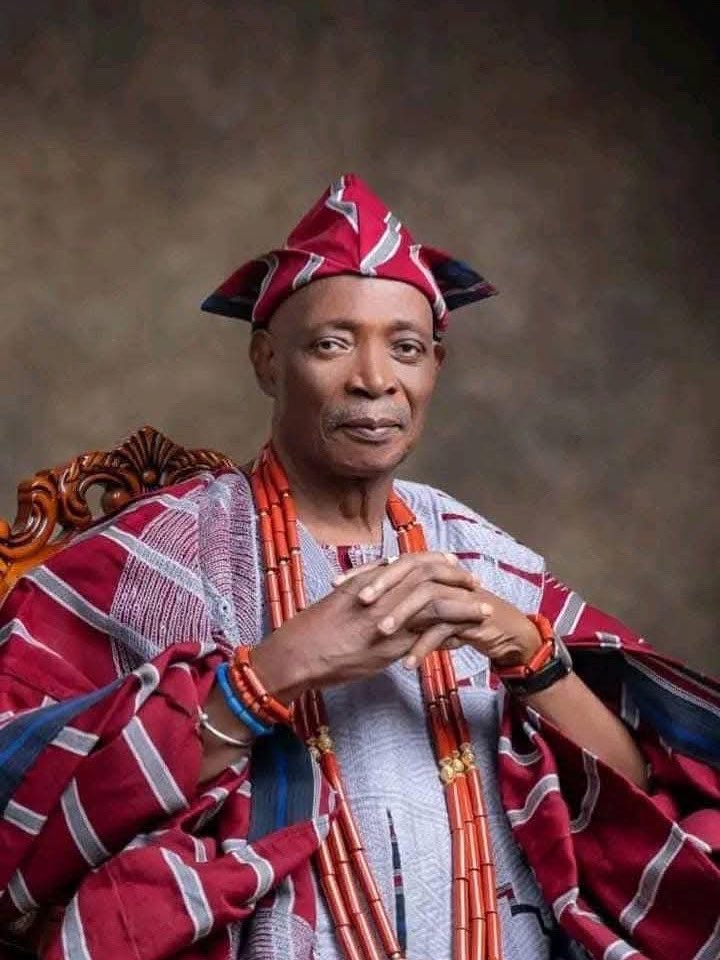
Today marks a historic political event in Oyo State, when Governor Rashidi Ladoja was impeached by the state House of Assembly in 2006. The episode shocked the city and drew national attention, highlighting intense political rivalry and governance challenges in southwest Nigeria.
Governor Ladoja Removed from Office
On 12 January 2006, legislators cited mismanagement and loss of confidence as reasons for Ladoja’s removal. His deputy, Christopher Alao-Akala, was immediately sworn in as governor. Many observers described the impeachment as politically motivated, reflecting conflicts between the governor and powerful party figures.
Ibadan Communities React
The city of Ibadan, one of Nigeria’s largest and historically significant towns, was tense. Supporters of Ladoja staged protests, while others watched anxiously as political leaders consolidated power. Markets, offices, and public centres experienced heightened attention as residents followed developments closely.
Legal Challenges and Reinstatement
Following the impeachment, courts began reviewing the process. In November 2006, the Appeal Court in Ibadan declared the removal unlawful. The Supreme Court upheld the ruling, allowing Ladoja to return to office in December 2006. The saga became a key case study in executive-legislature relations in Nigeria.
Legacy in Ibadan Politics
Ladoja’s political influence continued after his tenure. He later became the 44th Olubadan of Ibadanland, demonstrating the interplay between modern politics and traditional authority. His journey remains a reminder of political resilience and the importance of legal processes in governance.
Key fact: On 12 January 2006, Oyo State witnessed a major political upheaval when Governor Rashidi Ladoja was impeached, only to be reinstated later.
Get real time update about this post category directly on your device, subscribe now.
Discover more from The Trenet
Subscribe to get the latest posts sent to your email.


1 comment
https://shorturl.fm/O5jYd