
Table of Contents
Growing up, culture wasn’t something we talked about. It was something we lived.
It showed up in the way we greeted elders, the language we were expected to speak at home, the unspoken rules about respect, obedience, and community. Culture was everywhere, so constant that we barely noticed it.
Now, things feel different.
Some traditions feel like they’re slipping away. Others are being questioned, reshaped, and sometimes even resisted. And for many of us, especially young Africans navigating a modern world, it can feel like we’re standing in between, one foot in the past, the other in the future.

The Traditions We’re Losing
One of the most noticeable losses is language. Many of us understand our native tongues but struggle to speak them confidently. Some feel embarrassed. Some were never taught. Others were encouraged to prioritize English, as if fluency in our mother tongue made us “less refined.”
Communal living, too, feels different now. There was a time when everyone was everyone’s child. Neighbours corrected you. Elders advised you. Homes were open, and help was shared freely. Today, life is more private. Boundaries are tighter. Survival feels more individual than collective.
Even respect has changed. Not the idea of it, but the way it’s expressed. The bowing, kneeling, constant “yes sir” and “yes ma”, for some, these practices feel meaningful. For others, they feel performative or forced. And slowly, many of these rituals are fading.

The Traditions We’re Questioning
But losing culture isn’t always a bad thing.
Some traditions were built on silence, especially for women. Our mothers were taught endurance over expression, obedience over questioning, sacrifice over selfhood. They were praised for how much they could carry without complaint.
Our generation is asking different questions.
Why must respect mean suffering?
Why is rest seen as laziness?
Why is a woman’s worth tied so tightly to marriage, patience, and pain?
We’re not rejecting culture, we’re examining it.
The Traditions We’re Redefining
What’s beautiful is that while some things are fading, new expressions of culture are emerging.
We’re choosing emotional honesty.
We’re choosing boundaries without abandoning respect.
We’re choosing partnership over hierarchy.
We’re choosing to speak, sometimes loudly, sometimes softly, after generations of silence.
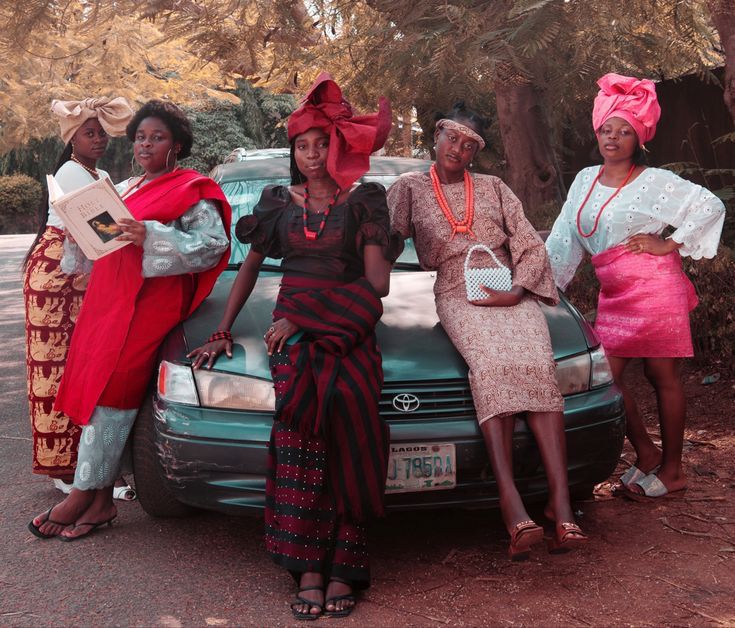
We’re also finding new ways to stay connected to our roots. Through fashion, storytelling, food, music, and intentional learning, many young people are returning to culture on their own terms. Not because they were forced to, but because they finally understand its value.
Culture is no longer just what we inherited, it’s what we’re consciously shaping.
Holding Both the Past and the Future
There’s a quiet grief in watching traditions disappear. But there’s also hope in seeing culture evolve.
We don’t have to romanticize the past to honor it.
We don’t have to abandon tradition to grow.
Maybe our role is simply this:
To carry forward what nurtures us,
To release what harms us,
and To create space for something new.
Culture is not meant to be frozen in time.
It is meant to breathe.
And right now, it’s breathing through us.
Get real time update about this post category directly on your device, subscribe now.
Discover more from The Trenet
Subscribe to get the latest posts sent to your email.

