
Table of Contents
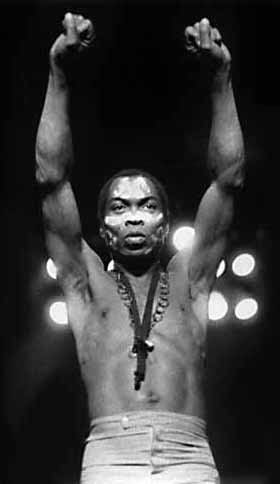
Fela Anikulapo Kuti, born Fela Ransome Kuti on January 22, 1938, in Abeokuta, Nigeria, remains one of the most influential figures in the history of African music. A revolutionary artist, social critic, and political activist, Fela’s impact on the world of music and culture transcends time and borders. His unique style and powerful messages forever transformed the global music scene, making him a legendary icon whose influence is still felt today.
The Early Years: Birth of a Musical Genius
Fela Anikulapo Kuti was born into a well-educated and politically active family. His mother, Funmilayo Ransome-Kuti, was a prominent feminist and political activist, while his father, Reverend Israel Kuti, was a respected schoolteacher and church official. Growing up in this environment, Fela was exposed to both traditional African culture and Western education, which would later shape his music and political views.
Fela’s musical journey began early, with an interest in Western classical music. He studied music at the prestigious Trinity College of Music in London, where he honed his skills in jazz and classical composition. However, it was upon his return to Nigeria in the early 1960s that Fela began to fuse his Western training with traditional African rhythms, creating a sound that would eventually be known as Afrobeat.
The Creation of Afrobeat: A Fusion of Cultures and Sounds
Fela Kuti’s musical genius lay in his ability to blend different genres into one unique style. Influenced by highlife, jazz, funk, and traditional Nigerian rhythms, Afrobeat was born from Fela’s passion for African culture and his desire to speak out against the injustices facing his people. His music became an eclectic mix of strong percussion, complex jazz rhythms, and politically charged lyrics that addressed social issues like corruption, poverty, inequality, and government oppression.
In the late 1960s, Fela returned to Nigeria after spending time in the United States, where he was introduced to the revolutionary ideas of the Black Panther Party and the Civil Rights Movement. These movements deeply influenced his music and outlook on life. He began to use his platform to speak out against the Nigerian government’s corruption and oppression, which was a bold and dangerous stance during a period of military dictatorship.
Fela’s band, Africa 70, was integral to the development of Afrobeat. With its large brass section, intricate percussion, and tight rhythm section, the band’s live performances became legendary. Fela’s charismatic presence and thought-provoking lyrics earned him a loyal following, and his concerts in Lagos, particularly at his famous nightclub, The Shrine, became iconic venues for political expression and musical innovation.
Political and Social Activism Through Music
Fela Kuti was more than just a musician; he was a fearless political activist who used his music as a tool for social change. His songs often critiqued the Nigerian government and addressed issues such as human rights abuses, the exploitation of the poor, and the need for African unity. One of his most famous songs, Zombie (1976), was a direct attack on the Nigerian military and its corrupt practices. The song’s defiant lyrics and driving rhythm made it an anthem for many Nigerians who were frustrated with the government’s control.
Fela’s activism, however, came at a great personal cost. He was repeatedly arrested, beaten, and harassed by the government. In 1977, after the release of Zombie, Fela’s compound, the Kalakuta Republic, was attacked by Nigerian soldiers. His mother, Funmilayo Ransome-Kuti, was thrown from a window during the assault, resulting in injuries that led to her death. Despite these hardships, Fela remained undeterred, continuing to release music that addressed political and social issues until his death in 1997.
Legacy and Global Impact
Fela Kuti’s music and activism have left an indelible mark on the world. He not only revolutionized African music but also inspired generations of artists, activists, and musicians. His boldness in addressing societal issues through his music made him a hero to many, and his legacy has inspired musicians across genres, from Afrobeat stars like Burna Boy and Wizkid to global artists such as Beyoncé and Paul Simon.
Fela’s impact goes beyond music. His fearless political stance and commitment to African pride and unity made him a global symbol of resistance. The Fela Kuti Foundation, which was established after his death, continues to preserve his legacy by promoting African music and culture, as well as fighting for social justice in Africa.
Fela’s life and work have been celebrated in various documentaries, books, and even a Broadway musical, Fela!, which showcased his music and activism to a global audience. His influence continues to grow, as new generations discover the power of his music and message.
A True Icon of African Culture
Fela Kuti’s birthday on January 22nd marks the birth of not just a musical genius but a revolutionary icon whose contributions to music, culture, and politics have made him an enduring figure in history. His pioneering of Afrobeat and his unyielding fight for social change have earned him a place among the greatest musicians and activists the world has ever known. Today, as we celebrate Fela’s legacy, we honor a man who, through his art, gave voice to the voiceless and changed the course of music history forever.
Get real time update about this post category directly on your device, subscribe now.
Discover more from The Trenet
Subscribe to get the latest posts sent to your email.

