Table of Contents

Today, February 19, marks a period of deep reflection on the resilience of the Northeast and the heavy price paid for the security we strive for today.
A Decade of Resilience: Remembering the Northeast Crisis of February 2015
Exactly eleven years ago, on February 19, 2015, Nigeria was navigating one of the most volatile chapters in its modern history. While the nation prepared for a pivotal general election, the Northeast was embroiled in a wave of terror that reshaped the region’s demographic and humanitarian landscape.
The Escalation: A Record of Violence
According to the Institute for Economics & Peace (IEP), 2015 was the year Boko Haram became one of the world’s deadliest terrorist groups. Data shows that during this period, attacks on civilian targets surged by over 170%. By the end of 2015, fatalities in Nigeria had increased by over 300%, reaching a tragic total of 7,512 deaths for the year.
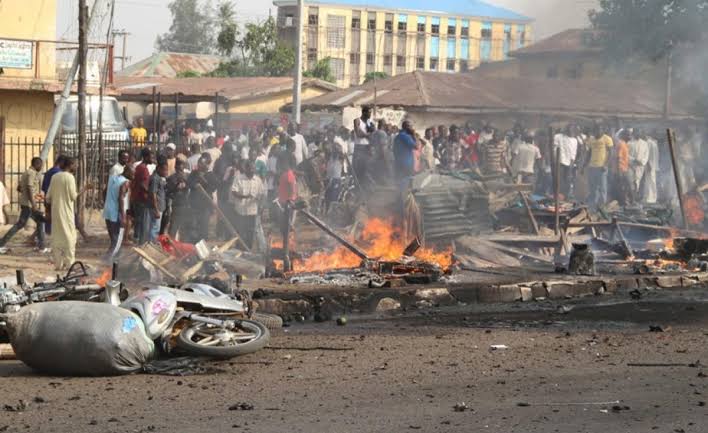
The violence was not just statistical; it was deeply personal. Just days after February 19, on Wednesday, February 25, 2015, a horrific suicide bombing struck the town of Biu, Borno State. As reported by major news outlets at the time, the blast claimed at least 19 lives and left many more injured, serving as a grim reminder of the group’s shift toward “soft” civilian targets.

A Humanitarian Crisis Unfolds
The sheer scale of displacement during this time was staggering. Data from the UNHCR Data Portal indicates that by early 2015, nearly 868,235 people had been forced to flee their homes in the Northeast.
This was a time of “Zanna Morbati”—a reference to schools and public buildings that became makeshift prisons or hideouts for insurgents. Abductions of women and children were frequent, leading to a massive exodus into neighboring Niger, Chad, and Cameroon. This regional spillover eventually birthed a cross-border humanitarian emergency that required global intervention.
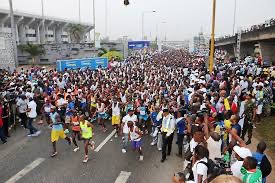
Also Read Today in History: Lagos Marathon Debuts
Strategic Shifts and the Global Context
History shows that February 2015 was a tactical turning point. While the Nigerian military and local vigilantes (the Civilian JTF) fought to hold ground, Boko Haram was preparing for a darker alliance. By March 2015, the group officially pledged allegiance to ISIL, rebranding as the Islamic State West Africa Province (ISWAP).
In response, the Multinational Joint Task Force (MNJTF) was expanded to include troops from Chad, Niger, and Cameroon. This regional coalition was a direct answer to the “unrelenting volatile climate” described in UNHCR press releases from that era.

Why We Remember
Today, as we look at the rebuilt markets and the return of farming in parts of Borno and Yobe, we remember February 19, 2015, not to dwell on the pain, but to honor the strength of the survivors. It serves as a factual anchor for how far the Nigerian security apparatus has come and the importance of the Electoral Act amendments we see today, which aim to ensure that even in times of crisis, the voice of the people remains protected.
Source Acknowledgments:
- Casualty and escalation data sourced from the Institute for Economics & Peace (IEP) 2015 Global Terrorism Index.
- Displacement and refugee figures provided by the UNHCR Data Portal and UN News (April 2015).
- Local incident reports (Biu bombing) verified against Amnesty International and The Guardian (UK)archives from February 2015.
Get real time update about this post category directly on your device, subscribe now.
Discover more from The Trenet
Subscribe to get the latest posts sent to your email.