
Table of Contents
Elections are approaching again.
Campaign posters are slowly returning to electric poles. Billboards are being redesigned. Old speeches are being recycled with new slogans. Politicians are touring markets, mosques, churches and universities, promising change, again.
For many young Nigerians, the question is no longer “Who will win?”
The real question is:
What has actually changed since the last round of Nigerian election promises?
Because every election cycle in Nigeria comes with familiar assurances, jobs, security, stable electricity, economic revival, youth empowerment, lower inflation, stronger currency.
But once the rallies end and governance begins, reality often feels very different.
As Nigerians prepare for another electoral season, it is worth asking: Have previous Nigerian election promises translated into measurable improvements for young people?
The Promise of Jobs vs The Reality of Hustle
Employment has always been central to Nigerian election promises.
Every administration pledges to:
- Create millions of jobs
- Empower SMEs
- Support entrepreneurship
- Invest in youth innovation
Yet for many young Nigerians today, the word “employment” feels abstract.
Instead, survival looks like:
- Freelancing across three platforms
- Running a small Instagram business
- Driving Bolt after 9–5
- Learning tech skills online
- Planning to relocate
According to Nigeria’s National Bureau of Statistics (NBS), youth unemployment and underemployment have remained persistent structural issues over the past decade. Even when official unemployment rates fluctuate, underemployment, where people work fewer hours than they need, continues to affect millions.
So while Nigerian election promises often highlight job creation figures, the lived experience tells a more complex story.
Young Nigerians are working.
But many are not secure.
And that difference matters.
Fuel Subsidy: Reform or Shock?
Few issues illustrate the gap between Nigerian election promises and reality like fuel subsidy removal.
For years, subsidy reform appeared in campaign discussions as a necessary but sensitive economic decision. The argument was simple: removing subsidy would free funds for infrastructure, education and healthcare.
When subsidy was eventually removed, the impact was immediate.
Transport fares increased. Food prices surged. Production costs rose. Inflation deepened.
The logic behind the reform may have economic backing. But for young Nigerians earning stagnant salaries, the transition felt abrupt and painful.
The real question isn’t whether reform was necessary.
The question is whether Nigerian election promises adequately prepared citizens for the consequences, and whether cushioning measures matched the scale of hardship.
For many, the burden came faster than the relief.
The Cost of Living Crisis
Inflation has quietly become the loudest issue affecting Nigerian youth according to the World bank overview
Food inflation, in particular, has reshaped daily life.
Young professionals now:
- Share apartments longer
- Delay marriage plans
- Reduce grocery budgets
- Switch brands constantly
- Cancel subscriptions
Even middle-class households are recalculating.
During campaigns, Nigerian election promises frequently include stabilizing the naira, boosting local production, and attracting foreign investment.
Yet the average young Nigerian measures progress differently.
Not by GDP.
But by:
- The price of rice
- The cost of data
- Electricity units
- Rent renewal notices
When everyday essentials become luxury discussions, political messaging loses emotional connection.
Security and Stability
Security has remained a permanent fixture in Nigerian election promises.
Each cycle includes commitments to:
- End insurgency
- Tackle banditry
- Reform policing
- Modernize security forces
There have been tactical gains in certain regions. But insecurity continues to affect communities across the country, from rural areas to urban centers.
For young Nigerians, insecurity isn’t just about violence.
It affects:
- Investment decisions
- Travel plans
- Agricultural productivity
- Mental health
When security remains unstable, economic promises struggle to materialize fully.
And so the cycle continues: campaign speeches pledge safety; citizens wait for consistency.
Youth Inclusion: Symbolism vs Power
One of the most visible aspects of recent Nigerian election promises has been youth inclusion.
Younger faces appear in campaign visuals. Social media teams are led by digital natives. Political messaging uses slang and pop culture.
But representation is not the same as influence.
The average age in Nigeria is under 20. Yet leadership positions remain dominated by older generations.
While initiatives like “Not Too Young To Run” expanded eligibility, structural barriers still limit youth participation in high-level governance.

So the question becomes:
Have Nigerian election promises genuinely shifted power dynamics, or merely adjusted optics?
Young Nigerians are more politically aware than ever. Social media has democratized information. Civic engagement has increased.
But institutional access remains limited.
Tech and Innovation: A Bright Spot?
To be fair, not all Nigerian election promises have failed to show impact.
Nigeria’s tech ecosystem has grown significantly over the past decade.
Startups have attracted international funding. Fintech has expanded access to digital payments. Remote work has increased global earning opportunities.
Policy reforms, regulatory frameworks, and public-private partnerships have contributed to this ecosystem.
However, even here, challenges remain.
Regulatory uncertainty. Foreign exchange volatility. Infrastructure gaps.
Progress exists, but it is fragile.
And young Nigerians working in tech know that stability, not slogans, determines long-term growth.
The Japa Factor
Perhaps no single trend reflects skepticism toward Nigerian election promises more than the migration wave commonly called “Japa.”
Doctors. Engineers. Nurses. Developers. Students.
Many are leaving.
Not because they hate Nigeria. But because they seek predictability.
When citizens lose confidence in long-term governance outcomes, migration becomes a rational choice.
Every election season, candidates promise to create conditions that encourage citizens to stay.
Yet the migration trend continues.
Until structural reforms translate into visible improvement, campaign language will struggle to reverse this momentum.
Trust Deficit and Political Fatigue
Another quiet shift in Nigeria’s political landscape is fatigue.
Young Nigerians are more informed, but also more skeptical.
They fact-check. They revisit past manifestos. They track inconsistencies.

Trust has become the real currency in elections.
When Nigerian election promises are recycled without measurable follow-up, voters disengage emotionally.
And disengagement is dangerous for democracy.
Participation declines. Cynicism grows. Polarization deepens.
Rebuilding trust requires more than fresh slogans.
It requires visible continuity between words and action.
Are Things Entirely Stagnant?
It would be inaccurate to say nothing has changed.
There have been improvements in:
- Digital government services
- Financial inclusion
- Infrastructure in selected corridors
- Electoral transparency technology
But change in Nigeria often feels uneven.
Urban vs rural. Connected vs disconnected. Privileged vs struggling.
When discussing Nigerian election promises, nuance is important.
Progress exists. But distribution remains inconsistent.
And for young Nigerians facing daily economic pressure, macro-level achievements may not feel personal.
What Young Nigerians Are Really Asking For
As elections approach again, the expectations are clearer.
Young Nigerians want:
Predictable policy. Transparent communication. Economic stability. Real accountability. Long-term planning beyond four-year cycles.

They are less interested in grand declarations. More interested in measurable outcomes.
The era of blind political loyalty is fading.
Performance now matters more than party colours.
The Road Ahead
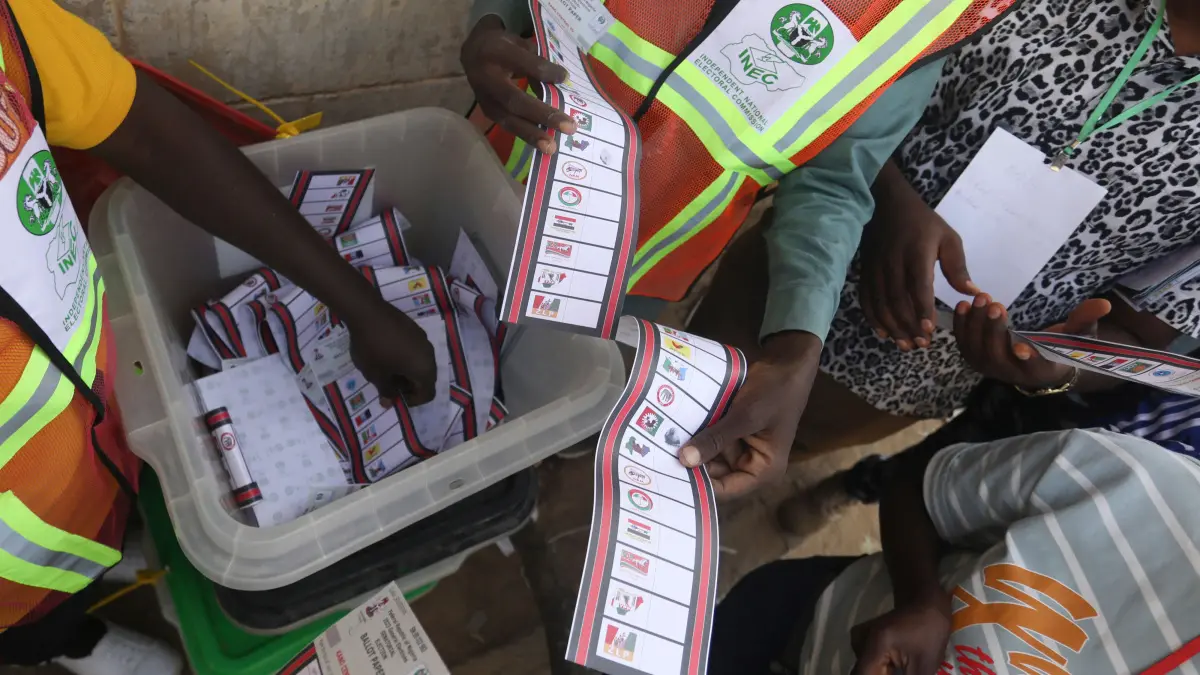
The upcoming election cycle headed by INEC will bring new speeches, new promises, new manifestos.
The question is whether this season of Nigerian election promises will feel different from previous ones.
For that to happen:
Campaign rhetoric must align with fiscal reality. Reforms must consider human impact. Youth inclusion must move beyond symbolism. Economic policy must prioritize stability.
Nigeria remains a country of enormous potential.
Its population is young. Its culture is influential. Its entrepreneurial spirit is unmatched.
But potential requires consistent governance to flourish.
Final Thoughts
So, what has changed since the last wave of Nigerian election promises?
Some progress. Some reform. Some modernization.
But also: Persistent inflation. Unemployment anxiety. Security concerns. Migration surges.
As Nigerians prepare to vote again, perhaps the most powerful shift will not come from politicians.
It may come from voters who demand evidence.
Because in a democracy, promises are easy.
Accountability is harder.
And this election season, young Nigerians are watching more closely than ever.
If You Enjoyed This Story
If you enjoyed this story, share it with someone who cares about Nigeria’s future.
Join the conversation: What Nigerian election promises matter most to you?
Subscribe to our blog for more deep dives on politics, society, business and culture, told from a Nigerian perspective.
Because informed citizens build stronger democracies.
Get real time update about this post category directly on your device, subscribe now.
Discover more from The Trenet
Subscribe to get the latest posts sent to your email.

