
Table of Contents
On December 12, 1991, something historic happened.
Nigeria officially moved its capital from Lagos to Abuja.
The Nigeria Capital Move 1991 was not just a change of address. It was a political, economic and symbolic turning point in the nation’s story.
For decades, Lagos had been the heartbeat of Nigeria, loud, crowded, energetic and chaotic. Then suddenly, power shifted inland.
Many Nigerians still remember the debates.
Why leave Lagos?
Why choose Abuja?
Was it really necessary?
Today in History, we look back at the Nigeria Capital Move 1991 and what it truly meant.
Why Lagos Was No Longer Sustainable
Before the Nigeria Capital Move 1991, Lagos served as Nigeria’s capital from independence in 1960.
Lagos was vibrant. It was commercial. It was influential.
But it was also overcrowded.
By the 1980s, Lagos was facing:
- Severe traffic congestion
- Housing shortages
- Overpopulation
- Infrastructure stress
- Limited land expansion
Government ministries were scattered. Urban planning was under pressure. Security concerns were rising.
In simple Nigerian terms, Lagos don too full.
It became clear that a long-term solution was needed.
Why Abuja Was Chosen
The decision to create a new capital did not start in 1991. The idea began in 1976 under the military government of Murtala Mohammed.
A special panel recommended relocating the capital to a central location.
That location became Abuja.
Why Abuja?
It is geographically central.
It is not dominated by any single major ethnic group.
It offered vast undeveloped land.
It allowed for planned urban development.
The neutrality of Abuja was important. Nigeria is ethnically diverse, and Lagos, located in the Southwest, was seen as regionally concentrated.
Abuja, located in the Federal Capital Territory (FCT), symbolized unity.
To learn more about the Federal Capital Territory framework, you can explore official government documentation via the Federal Capital Territory Administration
The Role of Ibrahim Babangida
Although the relocation idea started earlier, it was officially completed under the military administration of Ibrahim Babangida.
On December 12, 1991, the Nigeria Capital Move 1991 became official.
Government offices began transferring operations to Abuja. Diplomatic missions gradually followed. Political authority shifted.
It was a bold move.
Some praised it as visionary.
Others criticized it as expensive.
But history had already been made.
Public Reaction at the Time
When the Nigeria Capital Move 1991 happened, reactions were mixed.
Some Nigerians felt proud. A new, modern capital represented progress.
Others felt disconnected.
Lagos had history. Lagos had independence memories. Lagos had personality.

Abuja, at the time, felt new and unfamiliar.
There were concerns about:
- Cost of development
- Accessibility
- Government spending priorities
But slowly, Abuja began to grow into its role.
How Abuja Was Designed Differently
One major difference between Lagos and Abuja was planning.
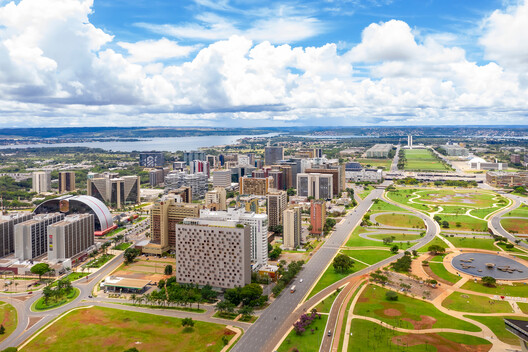
Abuja was purpose-built.
Wide roads.
Organized districts.
Government zones clearly defined.
Residential layouts structured.
Unlike Lagos, which grew organically over centuries, Abuja was designed with intention.
The Nigeria Capital Move 1991 allowed Nigeria to start fresh, at least administratively.
Today, Abuja hosts:
The Presidential Villa
National Assembly Complex
Supreme Court
Foreign embassies
It became the political nerve center of the country.
What Lagos Lost, And Gained
Did Lagos lose relevance after the Nigeria Capital Move 1991?
Not at all.
If anything, Lagos doubled down on its commercial identity.

While Abuja became political headquarters, Lagos remained:
Nigeria’s economic capital
Entertainment hub
Financial center
Media powerhouse
The relocation allowed Lagos to focus on business, creativity and private sector expansion.
In fact, today many Nigerians still joke:
“Abuja na for politics. Lagos na for money.”
And honestly? There’s truth in that.
Long-Term Impact of the Nigeria Capital Move
Looking back, the Nigeria Capital Move 1991 reshaped Nigeria in several ways:
1. National Unity Symbolism
Abuja’s central location reduced ethnic tension tied to regional dominance.
2. Urban Development Model
Abuja demonstrated what planned city development could look like.
3. Political Centralization
Government operations became more consolidated.
4. Economic Shifts
Real estate and infrastructure investment moved heavily toward the FCT.
Today, Abuja stands as one of West Africa’s most strategically designed cities.
Comparing Then and Now
In 1991, Abuja was still developing.
Today?
Skyscrapers.
Luxury estates.
International hotels.
Diplomatic districts.
The Nigeria Capital Move 1991 was controversial at the time, but 30+ years later, Abuja’s status as Nigeria’s capital is unquestioned.

Meanwhile, Lagos continues to grow, louder, faster, busier than ever.
Both cities evolved differently.
Both are powerful in their own way.
Why This Moment Still Matters
The Nigeria Capital Move 1991 reminds us that nations evolve.
Leadership decisions, whether popular or not, can shape generations.
It also teaches something deeper:
Nigeria is constantly redefining itself.
From independence to military rule, from oil booms to tech innovation, the country continues to shift and adapt.
The move from Lagos to Abuja was one of those defining transitions.
And history remembers December 12, 1991.
Final Reflection
Today in History, we don’t just remember dates.
We remember impact.
The Nigeria Capital Move 1991 was not just administrative restructuring. It was a bold statement about unity, growth and long-term planning.
Lagos remains the energetic heartbeat.
Abuja stands as the political command center.
Together, they represent two sides of modern Nigeria.
And the story continues.
Enjoyed This Today in History Edition?
If you enjoyed this Today in History piece, follow our blog for more powerful Nigerian moments that shaped our nation.
From cultural heritage to political turning points, we break it down clearly and proudly Nigerian.
Connect with us on: Instagram | Facebook | X | LinkedIn
Because Nigeria’s story deserves to be told boldly.
Get real time update about this post category directly on your device, subscribe now.
Discover more from The Trenet
Subscribe to get the latest posts sent to your email.

