
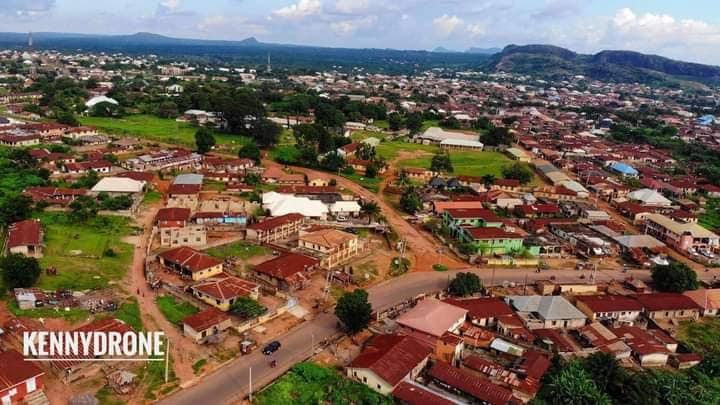

Did you know that Kabba / Bunu, the historic heart of Kogi State, was reportedly founded 3,000 years ago by three hunter brothers?
Long before it became a major commercial hub, the town of Kabba was established by Aro, Reka, and Balaja. These brothers, originally from the noble lineages of Ile Ife, journeyed north until they found a landscape guarded by three majestic hills, the Oloke Meta. Today, this ancient town serves as the headquarters of the Kabba/Bunu Local Government Area and remains the cultural soul of the Okun-Yoruba people.
From Provincial Capital to Commercial Hub
Kabba’s history is a masterclass in resilience and strategic importance. In the 19th century, the region faced intense raids from the Bida Emirate before the British established administrative control.
Under colonial rule, the town reached its political peak as the headquarters of the expansive Kabba Province. This massive territory once governed much of what we now know as the Middle Belt. Strategically located at the junction of roads from Lokoja, Ado-Ekiti, and Egbe, the town evolved into a central market for premium agricultural products. Even today, it remains the go-to destination for high-quality cocoa, coffee, yams, and cassava.
The Tripodal Throne and Owe Culture
The leadership of Kabba/Bunu follows a unique “tripodal” traditional system. Unlike many kingdoms with a single ruling house, Kabba is led by three supreme chiefs known as the Ololus:
- The Obaro of Kabba (the first among equals)
- The Obadofin
- The Obajemu
This system ensures a balance of power among the three original lineages: Katu, Kabba, and Odolu. The residents speak Owe, a deep Yoruba dialect famous for its heavy use of proverbs and linguistic ties to ancient Ile-Ife.
The Asaya Camp and the “Kabba Chill”
For many Nigerians, Kabba is synonymous with the NYSC Orientation Camp at Asaya. Thousands of graduates pass through this local government every year, experiencing the local hospitality firsthand.
However, there is one thing every “corper” learns quickly: pack a sweater. While Kogi State is generally known for its intense heat, Kabba defies the norm. Due to its elevation and hilly terrain, the town becomes surprisingly cold in the evenings. This “Kabba Chill” is a defining feature of the area, making nights at the Asaya camp a frosty experience for the unprepared.

A Legacy of Unity
Originally part of the old Northern Region, the area was merged into Kwara State in 1967 before finally joining Kogi State in 1991. Today, Kabba/Bunu stands as a testament to the heritage of the Okun people; a blend of agricultural strength, rich royal traditions, and a history that stretches back millennia.
Get real time update about this post category directly on your device, subscribe now.
Discover more from The Trenet
Subscribe to get the latest posts sent to your email.

