
Table of Contents
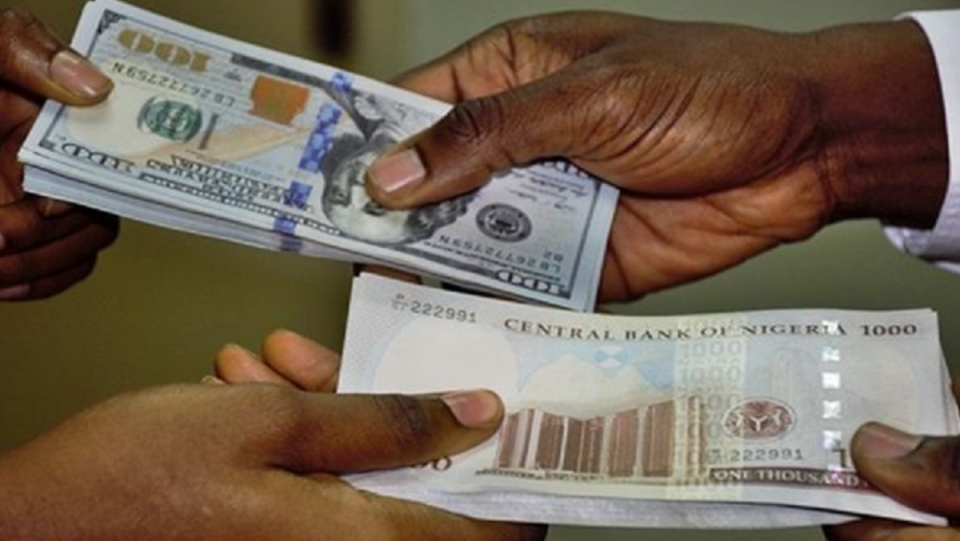
The Nigerian naira maintained a cautious but stable position against the United States dollar during early trading hours on Wednesday, January 7, 2026, as activities gradually normalised following the festive season.
Data from the Nigerian Foreign Exchange Market (NFEM) showed that the naira opened trading at about ₦1,432.00 per dollar at the official window. This marked a slight adjustment from earlier sessions in the week, when the currency traded closer to the ₦1,428.00 level.
Market watchers attributed the marginal movement to renewed corporate demand for foreign exchange, particularly from importers resuming full-scale operations at the start of the new business year.
Parallel market trades at premium
At the parallel market, commonly referred to as the black market, the naira continued to trade at a premium to the official rate.
Checks in major trading centres, including Lagos and Abuja, indicated that the dollar exchanged between ₦1,485.00 and ₦1,500.00, depending on transaction volume and location. Despite the spread between both markets, traders noted that the gap has remained relatively stable compared to the sharp volatility recorded in previous quarters.
Analysts say the relative calm reflects the impact of the Central Bank of Nigeria’s (CBN) sustained liquidity management and tighter monitoring of the foreign exchange market.
Market sentiment and CBN outlook
Market sentiment remains focused on the Central Bank’s policy direction for the first quarter of 2026, particularly regarding foreign exchange supply to authorised dealers.
Investors are closely watching whether the apex bank will increase dollar inflows to meet anticipated retail and corporate demand, especially as schools reopen and import activities accelerate.
Short-term outlook
As of midday trading, dealers expect the naira to close within the ₦1,430.00 to ₦1,435.00 range at the official NFEM window, barring any late-session pressures.
Analysts note that while the naira has shown signs of short-term stability, broader movements in the coming weeks will depend on foreign portfolio inflows, oil export receipts and the consistency of CBN interventions in the market.
Get real time update about this post category directly on your device, subscribe now.
Discover more from The Trenet
Subscribe to get the latest posts sent to your email.

