
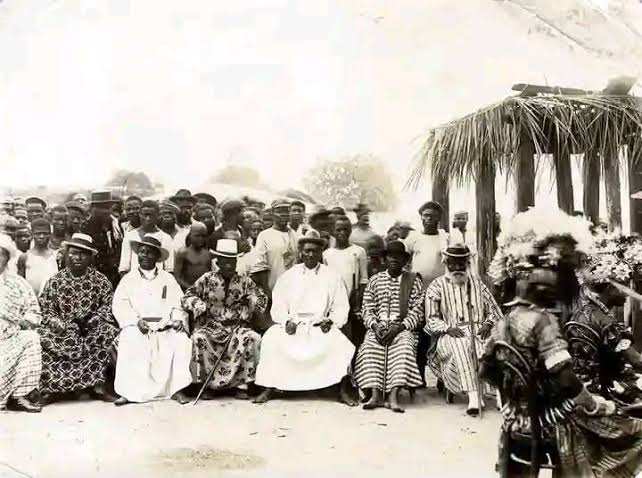

Did you know that long before it became the heart of Nigeria’s oil and gas sector, Bonny Island was a 14th-century superpower known as “Okoloama” the Land of Curlews?
Walking through Bonny today, you aren’t just in a modern industrial hub; you are stepping into a “Commonwealth of Independent Nations” with a traditional system so deep it predates most modern governments. Here is the story of Grand Bonny, the Ibani pride of Rivers State.
The Cradle of the Ibani: A 1,000-Year Heritage
Bonny Island isn’t just a place; it’s a civilization. Founded over a millennium ago by Ijaw ancestors from the central Niger Delta (Okoloba), the kingdom became a legendary trading hub. According to Ibani traditions cited by historians like E.J. Alagoa, the migration was led by founding fathers like Ndoli-Okpara, Opuamakuba, and the priest-leader Alagbariya.
By the 15th century, Bonny had become a primary port for European trade first with the Portuguese, then the Dutch and British. From ivory and spices to the dark days of the slave trade, and finally the “Palm Oil” era, Bonny’s strategic position made it the gateway to the Bight of Biafra.
The Royal Foundation: The “Duawaris”
The Kingdom of Bonny is unique because of its House System. While the King (Amanyanabo) is the overall natural ruler, the kingdom is built on “Duawaris” the original ancestral royal houses.
If you are writing about the core of Bonny’s royalty, you must know the five original Duawari houses (Major Chieftaincy Houses) that represent the founding lineages. These are the “Aseme-Alapu” (High Chiefs of Royal Blood):
- Bristol-Alagbariya House: Derived from the founding father and priest, Chief Alagbariya.
- Halliday (Awusa) House: Named after King Awusa, who reigned before the Perekule dynasty.
- Manilla Pepple House: Founded by King Perekule’s son, Fubara.
- Anna Pepple House: Founded by King Perekule’s other son, Opubo.
- Wilcox House: A pillar of the ancient chieftaincy structure.

Note on The Hart & Green Houses: > While the Captain Hart House (led by the iconic Adango, nicknamed “Captain Hart” by Europeans for his maritime skill) and the Dublin Green House are among the most famous and powerful “Major Houses” today, they belong to the class of chieftaincy houses created or expanded during the height of the trading era, particularly under the Perekule dynasty.
Tradition in Motion: Nwaotam and the Waist Dance
The culture of Bonny is a rhythmic blend of Ijaw roots and Igbo influences.
- The Nwaotam Masquerade: This is the soul of Bonny’s festivities. Every December 25th and January 1st, the Nwaotam masquerade “leaps” from the rooftops in a display of spiritual energy that brings thousands of tourists to the Finima beaches.
- The Bonny Waist Dance: Known for its intricate, vibrating movements, this dance is a display of grace and strength, often seen during the Eremina-Ogbo (womanhood rites).
- The Sacred Iguana: Historically, the Iguana (Ikuba) was the sacred deity of Bonny until King George Pepple I declared a shift toward Christianity in 1867 a major political and religious turning point reported in many colonial era archives.
Bonny Today: The Energy Giant
Currently, Bonny Island hosts the multi-billion dollar Nigeria LNG (NLNG) project and other giants like Shell and Mobil. But even with all the gas turbines and skyscrapers, the island still operates as a “Commonwealth.”
As noted by The Nation Newspaper in recent features, each High Chief independently rules his house, coming together under the Amanyanabo, King Edward William Asimini Dappa Pepple III (Perekule XI), to protect the kingdom’s interests.

The Trenet Quick Facts:
- Location: Rivers State, Nigeria.
- Language: Ibani (a dialect of Ijaw) and Igbo.
- Best Time to Visit: Late December for the Beach Carnivals, Bonny Uncensored and Nwaotam Masquerade.
- Education Hub: Home to the Federal Polytechnic of Oil and Gas.
Get real time update about this post category directly on your device, subscribe now.
Discover more from The Trenet
Subscribe to get the latest posts sent to your email.

