
Table of Contents
For one electric weekend, Kebbi State stopped being just a place on the map.
It became a spectacle.
The Argungu Fish Festival returned with all the drama, pride and pageantry Nigerians have come to expect, and then some. From the thunderous splash of fishermen diving into the river to the swirl of traditional dancers in bright regalia, Argungu once again proved why it remains one of Nigeria’s most iconic cultural celebrations.
This wasn’t just a festival.
It was history in motion.
A Festival Rooted in History
The Argungu Fish Festival traces its origins back to 1934, born out of a peace accord between the Sokoto Caliphate and the Kebbi Kingdom. What began as a symbolic celebration of unity has grown into an internationally recognised cultural event that attracts tourists, dignitaries and media from across the world.
Over the decades, the festival has become deeply woven into the identity of Kebbi State. It is not merely about fishing; it is about heritage, pride and the preservation of tradition in a rapidly modernising Nigeria.
And every time it returns, it reminds Nigerians that culture still matters.
The Main Event: The Fishing Competition
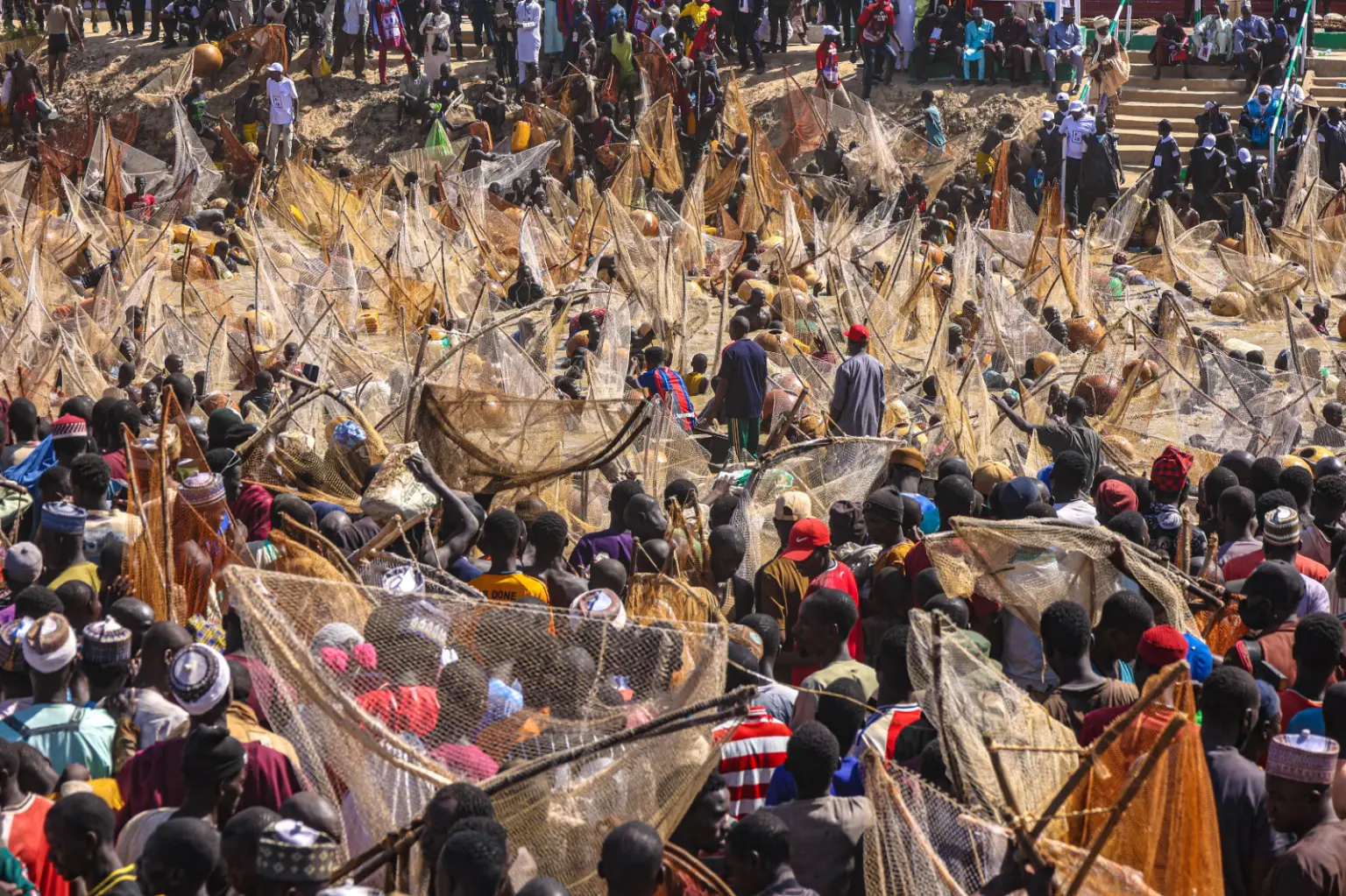
At the heart of the Argungu Fish Festival is the legendary fishing competition, a dramatic contest that sees thousands of fishermen armed with nothing but traditional nets rushing into the Matan Fada River.
No modern equipment.
No technology.
Just strength, skill and strategy.
Within minutes, the calm river transforms into a frenzy of splashes and shouting. Spectators line the riverbanks, cheering as competitors wrestle enormous fish from the water.

The winner? The fisherman who catches the biggest fish within the allocated time.
It is raw.
It is chaotic.
It is breathtaking.
And it is unmistakably Nigerian.
More Than Just Fishing
While the fishing competition may be the headline act, the Argungu Fish Festival is a multi-layered celebration of northern Nigerian culture.
There are traditional wrestling matches where strength and technique collide in dusty arenas. There are horse racing displays featuring elaborately decorated horses and riders dressed in royal attire. There are cultural dances that tell stories passed down through generations.
The festival ground becomes a vibrant showcase of Hausa and Fulani heritage, from fashion to food to folklore.
Visitors sample local delicacies, admire handcrafted goods and soak in the rich atmosphere that makes Argungu feel like a living museum.
A Boost for Tourism and Local Economy
Each time the Argungu Fish Festival holds, it does more than entertain.
It stimulates the economy.
Hotels fill up.
Markets buzz.
Transport operators cash in.
Local vendors make brisk sales.
For Kebbi State, the festival is both cultural pride and economic opportunity. It positions the state as a tourism destination and reminds the rest of the country, and the world, that northern Nigeria holds untapped cultural treasures.
In an era where Nigeria is increasingly looking inward to grow its tourism industry, events like the Argungu Fish Festival serve as powerful reminders of what is possible.
Unity in Celebration
Perhaps the most beautiful thing about the Argungu Fish Festival is the sense of unity it inspires.
People travel from Lagos, Abuja, Kano and beyond. Foreign tourists stand shoulder to shoulder with local residents. Political leaders, traditional rulers and everyday Nigerians gather for one shared experience.
For a few days, differences fade.
What remains is celebration.
In a country as diverse as Nigeria, that matters.
Why the Argungu Fish Festival Still Matters Today
Some may ask: in a fast-paced digital age, do traditional festivals still matter?
The answer is evident in Argungu.
The Argungu Fish Festival is not just nostalgia. It is cultural continuity. It is intergenerational storytelling. It is proof that modern Nigeria can embrace its future without abandoning its past.
Young people attend not just to watch but to document, share and amplify. Social media buzzes with photos and videos. What was once a regional event now travels globally in seconds.
Tradition has found a way to evolve without losing its essence.
Globally, cultural celebrations like this align with the preservation values promoted by UNESCO’s Intangible Cultural Heritage programme, which supports safeguarding traditional practices for future generations.
Behind the Scenes: Security, Planning and Organisation
The spectacle of the Argungu Fish Festival may look effortless, but months of planning go into making it a success.
From security personnel stationed across the festival grounds to medical teams on standby, the event requires coordination between traditional leaders, local authorities and state officials. Large crowds demand careful crowd control, especially during the fishing competition when thousands gather around the riverbanks.

Temporary stands are constructed. Vendors are registered. Traffic is managed. Emergency response teams are positioned strategically.
It is not just a cultural event. it is a logistical operation.
The involvement of government agencies ensures that visitors, both local and international, experience the festival safely. With the growing popularity of the Argungu Fish Festival, security arrangements have become even more robust, reflecting its importance as a national event.
Beyond security, there is also the unseen work of community volunteers. Young people assist with coordination, local groups help maintain order and cultural associations rehearse for months to perfect their performances.
The result is a seamless celebration that feels organic, even though it is carefully structured behind the scenes.
And perhaps that is part of the magic, the ability to balance tradition with organisation.
Looking Ahead
As the dust settles and visitors return home, one thing is clear: the Argungu Fish Festival is far from fading into history.
If anything, it is gaining renewed relevance.
With increased government support and growing media attention, the festival continues to strengthen its status as one of Africa’s most unique cultural events.
And for Kebbi, it remains a symbol of pride.
Because when the river roars and the nets fly, it is not just fish being caught.
It is culture being preserved.
It is identity being celebrated.
It is Nigeria, in all its colour and complexity, on full display.
Final Thoughts
The Argungu Fish Festival is more than an annual event.
It is a statement.
A reminder that beyond politics and headlines, Nigeria possesses traditions that command global attention. That within local communities lie stories worth telling again and again.
And as Kebbi lights up with song, splash and celebration, one thing becomes undeniable:
Some traditions do not fade.
They endure.
Enjoyed reading about the Argungu Fish Festival? Follow our blog for more Nigerian stories, culture deep-dives and trending updates you don’t want to miss.
Get real time update about this post category directly on your device, subscribe now.
Discover more from The Trenet
Subscribe to get the latest posts sent to your email.

