
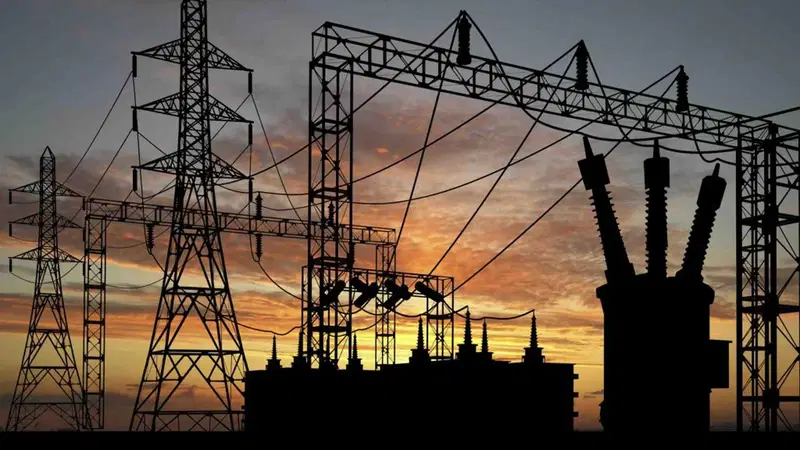
Nigerians were thrown into widespread darkness on Monday afternoon, December 29, 2025, following another collapse of the national electricity grid, once again exposing the fragility of the country’s power infrastructure.
Power supply across most parts of the country dropped to near zero, disrupting homes, businesses and essential services nationwide.
Power Distribution Crashes to 50MW Nationwide
Official distribution load figures released at 3:12 p.m. showed a drastic fall in electricity supply to power distribution companies (DisCos), signalling a system-wide failure.
Data revealed that only two DisCos received electricity at the time of the collapse:
- Ibadan Electricity Distribution Company: 30 megawatts (MW)
- Abuja Electricity Distribution Company: 20 MW
All other DisCos recorded zero allocation, including Benin, Eko, Enugu, Ikeja, Jos, Kaduna, Kano, Port Harcourt and Yola.
In total, electricity distributed nationwide stood at just 50 MW, far below operational requirements and grossly insufficient to sustain economic and social activities across the country.
Major Cities Hit as Blackout Spreads Nationwide
The collapse affected major cities and regions simultaneously, plunging households, commercial centres and critical facilities into darkness.
Businesses reliant on grid power were forced to switch to generators, raising operating costs, while residents in urban and rural areas alike endured another round of power uncertainty.
Grid Failures Raise Fresh Infrastructure Concerns
The latest incident adds to a growing list of recurrent national grid collapses recorded in recent years. These repeated failures have often resulted in nationwide blackouts and prolonged restoration efforts.
Energy analysts say the frequency of grid collapses continues to raise serious concerns about:
- Ageing transmission infrastructure
- Poor grid resilience
- Inadequate system redundancy
- Slow implementation of power sector reforms
Restoration Efforts Begin, Silence from Authorities
The Nigerian National Grid (NNG) confirmed that restoration efforts had commenced shortly after the collapse.
However, as of the time of filing this report:
- The Transmission Company of Nigeria (TCN) had not issued an official explanation
- The Federal Ministry of Power had provided no clarity on the cause of the collapse
- No timeline was given for full restoration of electricity supply
The silence has further fuelled public frustration amid growing demand for transparency and accountability in the power sector.
Economic and Social Impact Looms Large
Repeated grid failures continue to undermine:
- Industrial productivity
- Small and medium-scale enterprises
- Healthcare delivery
- Household welfare
With Nigeria already grappling with high energy costs, analysts warn that continued instability in power supply could further slow economic recovery and investor confidence.
A Familiar Crisis with No Lasting Solution Yet
Despite years of reforms, privatisation and policy interventions, the national grid remains vulnerable to collapse, leaving millions of Nigerians exposed to recurring outages.
Until structural weaknesses in transmission and system management are addressed, experts warn that grid collapses may remain a recurring feature of Nigeria’s power sector.
Get real time update about this post category directly on your device, subscribe now.

