
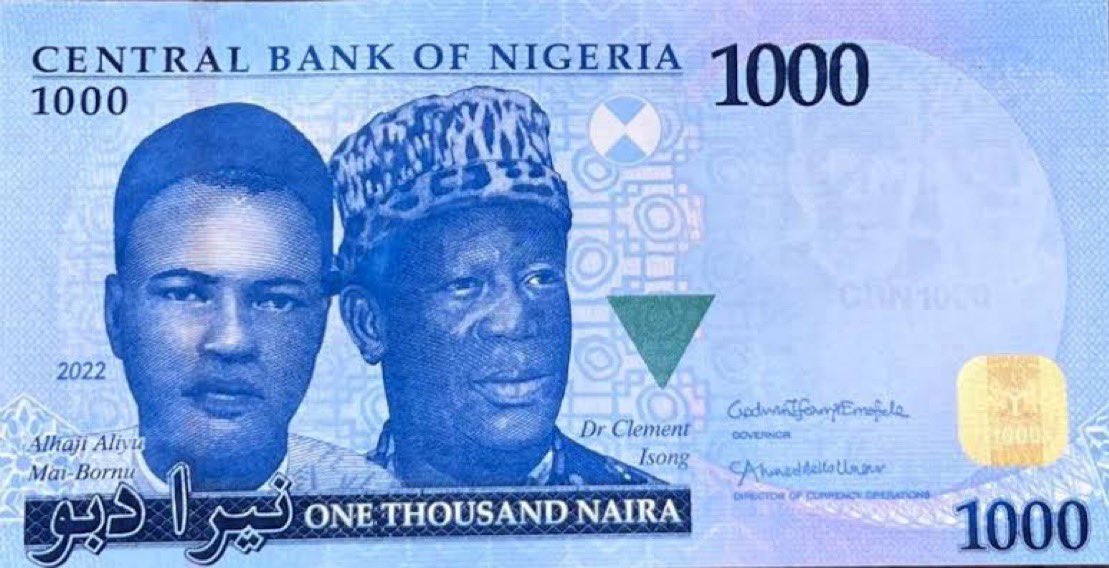
Once sufficient for small purchases, ₦1,000 now struggles to cover basic goods and services across Nigeria.
Nigerians feel the shrinking value of the naira daily. Markets, transport hubs, and pharmacies all reflect the rising cost of living. The reality is clear: ₦1,000 no longer carries the same weight it did just a few years ago.
Inflation Continues to Erode Value
High inflation has reduced the real value of money. Between 2023 and 2024, Nigeria experienced sharp price increases, particularly in food and transport.
Although official inflation has eased to around 14 to 18 per cent in 2025, prices remain higher than before. Items that cost ₦1,000 in 2020 now cost ₦1,500 or more. The gap between wages and prices continues to widen, weakening purchasing power.
Naira Depreciation Raises Costs
The naira has weakened significantly against major currencies. Exchange-rate liberalisation and market-driven policies increased the cost of imported goods.
Every dollar increase affects essential imports such as fuel, medicine, and machinery. Nigerians now spend more naira for the same imported items. The weakened currency compounds the effect of inflation, reducing the buying power of ₦1,000.
Rising Food Prices Hit Hardest
Food remains the largest expense for most Nigerian households.
Staples such as rice, beans, garri, and tomatoes have all increased sharply. A bag of rice that cost ₦30,000 in 2023 could reach ₦80,000 today. Families spend more on basic groceries, meaning ₦1,000 barely covers a few items.
Transport and Energy Costs Add Pressure
Higher fuel prices have increased transport fares nationwide. Electricity tariffs, generator fuel, and maintenance costs continue to climb.
These recurring expenses reduce disposable income further. ₦1,000 now disappears quickly in meeting everyday needs. Many households must prioritise essentials, leaving little for discretionary spending.
Wages Fail to Keep Up
While prices rise, wages remain largely stagnant.
Even when salaries increase nominally, inflation often cancels out the gains. Low-income earners feel the impact most. Real earnings have fallen behind living costs, making ₦1,000 insufficient for daily expenses.
The Everyday Impact
For many Nigerians, ₦1,000 now only covers:
- A short bus ride
- A few grocery items
- A small supplement to other expenses
Money that once provided comfort now barely stretches.
₦1,000 no longer buys what it used to because prices have grown faster than incomes. Inflation, naira depreciation, rising food and energy costs, and stagnant wages all reduce its value.
Until economic reforms stabilise prices and boost incomes, ₦1,000 will remain a small fraction of its former worth, a daily reminder of the rising cost of living.